

TL;DR: The founders who successfully break into new market segments aren’t the ones frantically networking at every event or cold-messaging influencers on LinkedIn.
They’re the ones who understand a fundamental paradox: the best relationships are built when you’re not trying to build relationships.
Instead of seeking to extract value from networks, successful founders create value within communities, become indispensable to conversations that matter, and let magnetic authenticity do the heavy lifting.
The insight isn’t in the tactics - it’s in recognising that in our hyperconnected world, genuine scarcity lies not in access to people, but in the depth of trust and shared purpose.
Here’s what nobody tells you about breaking into market segments:
The founders who succeed aren’t the ones with the biggest networks.
They’re the ones with the deepest relationships.
And there’s a vast difference between the two.
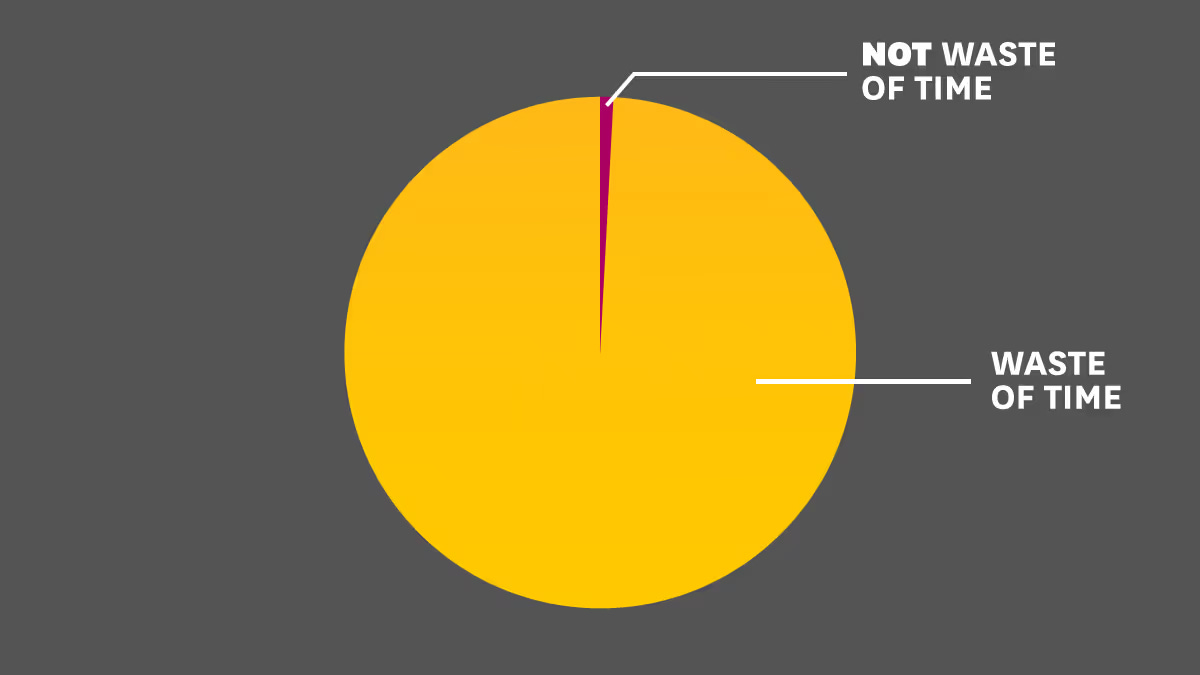
Source : Harvard Business Review.
The Networking Industrial Complex
We’ve built an entire ecosystem around the mythology of networking.
SaaS conferences now boast over 12,000 attendees at events like SaaStr Annual, with 500+ speakers promising “actionable insights” and “networking opportunities.”
Events focused on customer success and go-to-market strategies are back in full force after years of virtual everything.
But here’s the insight that changed everything for me:
The founders I know who’ve successfully broken into new markets?
Most of them can’t remember the last “networking event” they attended.
They’re too busy being useful to the people who matter.
The Value Creation Paradox
Consider Clay, the go-to-market platform that now counts OpenAI, Canva, and Rippling as customers.
They didn’t break into enterprise by networking their way to these accounts.
They doubled OpenAI’s enrichment coverage from 40% to 80% by solving a real problem better than anyone else.
The insight?
Value creation is the ultimate relationship accelerator.
When Rippling’s growth team couldn’t execute workflows without technical expertise, Clay didn’t send them to a conference session on “How to Build Relationships with Enterprise Customers.”
They built a solution that let non-technical teams create and adjust workflows independently.
This flexibility encouraged experimentation and doubled Rippling’s year-over-year performance for cold emails in 2023.
The relationship was a byproduct, not the objective.
The Community Evolution
Here’s where it gets interesting.
The global startup founders community networking tool market is projected to grow from $245 million in 2023 to $1.7 billion by 2033, with a CAGR of 24.2%.
We’re spending billions on tools to connect founders with each other.
But most founder communities miss the point entirely.
They focus on founder-to-founder networking instead of teaching founders how to become magnetic to their target customers.
While thousands flock to traditional networking-focused founder groups, a new breed of strategic communities is emerging.
These evolved founder communities don’t just connect you with other founders - they teach you how to become indispensable within your customer communities.
The best founder communities today serve as training grounds for customer relationship mastery.
They’re where founders learn to embed themselves in the communities where their future customers already gather.
They’re not talking about building products - they’re learning how to solve problems that matter.
The insight:
The right founder community teaches you how to make your network look like your customer base, not your peer group.
The Authenticity Shortage
Building authentic brand storytelling within startup communities isn’t about crafting polished marketing messages - it’s about lived experiences and witnessed journeys.
But here’s what’s fascinating:
In our age of infinite digital connectivity, authenticity has become the scarcest resource.
At the Business of Software Conference, John Knox’s talk “The Introvert’s Guide to Networking” compared Princess Leia’s approach (”Help me Obi-Wan Kenobi”) to blindly using The Force.
The insight?
Strategic vulnerability beats broad networking every time.
When founders share specific struggles and ask for precise help, they create magnetic moments.
When they broadcast generic updates to vast networks, they create noise.
The Platform Trap
AI-powered matchmaking features and integrated communication tools are enhancing user experience in networking platforms, with rising adoption of virtual events and community-building features.
We’re optimising for connection efficiency.
But relationships aren’t efficient.
They’re inefficient, messy, and wildly unpredictable.
The best relationships form in the margins - in the conversations after the official meeting ends, in the shared frustration over a common industry problem, in the moment when someone takes an unexpected risk to help a stranger.
While 85% of online businesses agree that communities have positively impacted their business, the founders breaking into new markets aren’t just joining communities - they’re becoming indispensable to them.
The Expertise Exchange
Here’s what successful market entry actually looks like:
You become known for knowing something specific, valuable, and rare within the community you want to serve.
Not
“I’m a software founder building something cool.”
But
“I’m the person who figured out how to reduce customer churn by 40% in fintech using behavioural psychology principles.”
“Revenue ownership became an operating norm in 2025,”
says ESG’s Sheik Ayube, with customer teams increasingly owning more growth targets and demonstrating more impact.
The founders who understand this shift aren’t selling software - they’re selling outcomes.
The Relationship Recession
One expert warns:
“If your team relies too heavily on AI, you’re not scaling relationships; you’re commoditising them. You’re treating customers like line items instead of partners.”
We’re in the middle of a relationship recession.
Not because we lack tools to connect, but because we’ve forgotten why we connect in the first place.
The founders breaking into new markets remember something the networking industrial complex has forgotten:
Relationships aren’t transactions to be optimised.
They’re ongoing conversations between people solving similar problems.
The Magnetic Founder
The most effective founder communities aren’t formed around networking - they’re formed around shared purposes and the mission to help founders become indispensable to their target markets.
The founders who successfully enter new markets don’t avoid founder communities; they join strategic ones that teach them to become magnetic to the customers who matter most.
The right founder community helps you become the person others seek out because:
They teach you to ask better questions than give answers
They help you share specific knowledge, not general wisdom
They train you to solve problems before pitching solutions
They remind you that behind every “target customer” is a human being with real struggles
The best founder communities today serve as training grounds for customer relationship mastery, not peer networking.
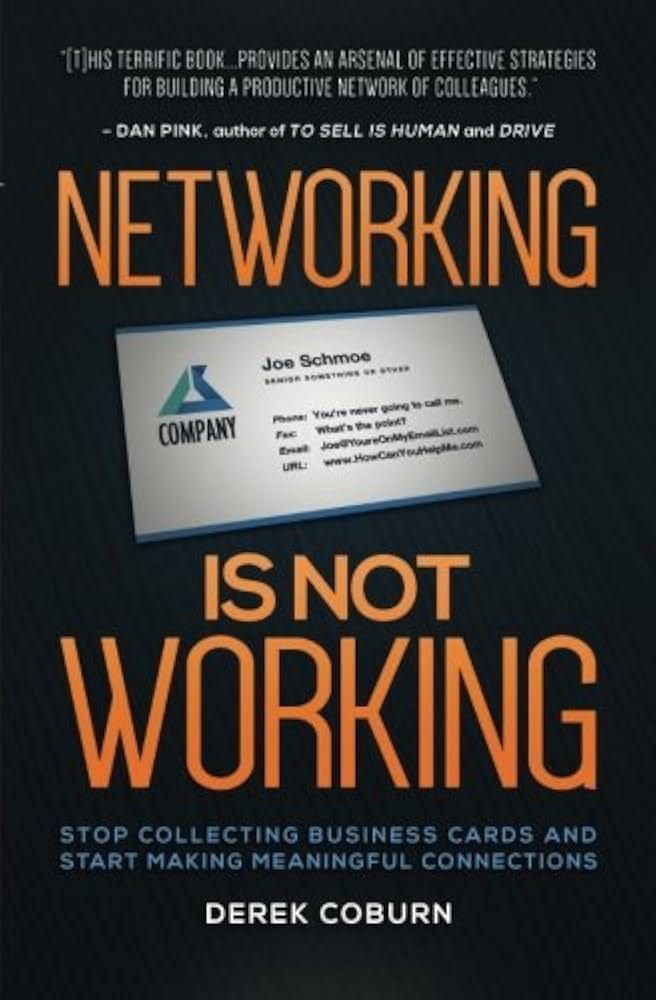
Source : Derek Coburn
The Strategic Advantage
Here’s the final insight:
While everyone else is optimising for more connections, successful founders are optimising for deeper conversations.
But this doesn’t mean avoiding founder communities - it means choosing strategic ones that teach you the principles that matter.
SaaS founders in 2025 must evolve from mere visionaries to savvy tacticians, prioritising customer success and staying ahead of emerging trends.
The tactical advantage isn’t in having a larger network - it’s in learning how to have more meaningful interactions within your target customer communities.
The right founder community doesn’t just connect you with peers.
It trains you to become indispensable to the conversations happening where your customers gather.
The founders who break into new market segments don’t avoid founder communities - they join the ones that teach superior relationship principles.
And in a world drowning in connections, principles are what separate signal from noise.
The question isn’t:
“How can I build a bigger network?”
The question is:
“How can I become indispensable to the conversations that matter most to the people I want to serve?”
Answer that, and the relationships will build themselves.
Ready to Transform Your Approach? Join the Next Foundarity Sprint
The insights above represent just the beginning.
On December 5th-7th, 2025, we’re opening the doors to the final Foundarity Sprint of 2025, a focused, intensive experience designed specifically for software founders ready to break through in their market segments.
Doors Open: Now until 30th November, 2025
This isn’t another networking event.
It’s a deep dive into the relationship principles that actually move the needle.
You’ll work alongside founders who understand that sustainable growth comes from authentic connection, not aggressive networking.
What makes this different?
Focus on relationship principles, not networking tactics
Small cohort size for meaningful interactions
Real case studies from founders who’ve successfully entered new markets
Frameworks for becoming indispensable to your target communities
Three Questions to Consider:
Are you building relationships or just collecting contacts?
Do your target customers see you as useful or just another vendor?
When you’re not in the room, do people mention your value or your pitch?
Join a Community That Gets It
Plus, we have the Private Foundarity Community with the Foundarity 75 as it’s
75 days to January 1st, 2026. [we launched the five non-negotiables and daily disciplines on 18th October 2025]
The Golden Quarter.
Make it count.
The founders who join understand something critical:
The next 75 days will determine how the next 75 months unfold.
Ready to join founders who are rewriting the rules of relationship building?
Book a clarity call 🔗 https://scheduler.zoom.us/atfoundarity/clarity-call
Join the community 🔗 https://www.bit.ly/JoinFoundarityCommunity
The question isn’t whether you can afford to join.
The question is:
Can you afford not to?
Curated References for Deeper Study
Market Analysis & Trends
Coherent Market Insights (2025): Comprehensive analysis showing 34% CAGR growth in startup founder networking tools, emphasising AI-powered matchmaking and virtual community features.
Market Research Intellect (2025): Online community software market projected to reach $7.2B by 2033, highlighting the shift toward meaningful digital connections.
Successful Case Studies
Clay (Contrary Research, 2025): Demonstrates value-first relationship building - doubled OpenAI’s enrichment coverage and scaled Rippling’s cold email performance by 100% YoY.
ChurnZero Customer Success Trends (2025): Shows how customer teams increasingly own revenue targets, emphasising relationship depth over breadth.
Community Building Strategies
Growth Rocks (2025): Analysis of top 10 startup communities, revealing that successful founders focus on customer communities rather than peer groups.
Statusbrew (2025): 85% of businesses report positive community impact, with emphasis on authentic brand storytelling and value creation.
Industry Conference Intelligence
DesignRush SaaS Events (2025): Coverage of 17+ major SaaS events including SaaStr Annual (12,000+ attendees), emphasising the scale versus depth relationship paradox.
Business of Software Conference (2025): John Knox’s “Introvert’s Guide to Networking” demonstrates strategic vulnerability over broad networking.
Emerging Patterns
Y Combinator Community Startups (2025): Portfolio analysis revealing successful community-first approaches in the current startup landscape.
Fuzen SaaS Adaptation Guide (2024): Key insights on how founders must evolve from visionaries to tactical relationship builders in 2024-2025.